Quick Summary
Planning a ranch corporate event starts with defining clear objectives, then matching venue capacity, lodging, and season to your group size and goals. Successful events blend structured meeting time with outdoor programming, such as guided wildlife tours or hiking, so employees stay engaged throughout the day. Meals, transportation, and budget should be confirmed early, since ranch venues often require more advance coordination than a standard hotel conference center. With the right planning sequence, a ranch venue can deliver a corporate retreat that feels both productive and genuinely restorative for the team.
A ranch corporate event takes more upfront planning than booking a downtown hotel conference room, but the payoff is a retreat employees actually remember. The tradeoff is worth it for most companies, provided the planning sequence is handled in the right order.
At Artemis Ranch & Retreat, our team works with corporate planners regularly, and the process below reflects the sequence that consistently produces the smoothest events, from initial goal-setting through the final logistics check.
1. Define Your Objectives and Format
Before contacting a venue, decide what the event needs to accomplish. A leadership offsite focused on strategic planning has different requirements than a company-wide retreat built around culture and recognition, and the two formats rarely share the same agenda structure. Defining the objective early determines how much structured meeting time the agenda needs versus open programming, including which Texas ranch experiences best fit the group.
Planners who skip this step often end up retrofitting a generic agenda onto a venue rather than choosing a venue that actually supports their goals. Starting with clear objectives makes it easier to select the right activities, meeting format, lodging, and overall schedule.
2. Choose the Right Dates and Season
Ranch venues are seasonal in a way that hotel conference centers are not. Spring and fall typically offer the most comfortable conditions for outdoor programming in Texas Hill Country, while summer heat and winter weather may shift the balance toward indoor sessions and shorter outdoor blocks.
Locking in dates early also matters, since ranch venues generally have fewer available weekends than a hotel with multiple ballrooms, and popular dates for full-property buyouts can fill months ahead of a planned event.
3. Match the Venue to Your Group Size
A ranch venue that comfortably hosts a twenty-person leadership retreat may need a different configuration for a hundred-person company gathering.
Confirm meeting space capacity, outdoor gathering areas, and lodging availability against your expected headcount before finalizing a date, since capacity constraints are one of the most common reasons a planning timeline slips.
It is worth asking a venue directly how many groups, if any, might share the property on your selected dates, since that affects both privacy and activity scheduling.
4. Decide on Lodging and Multi-Day Retreats
If the event runs longer than a single day, on-site lodging keeps the group together and removes the need to coordinate transportation to and from an off-site hotel each morning.
A full lodge buyout is often the simplest option for multi-day retreats, since it allows the schedule to flex without worrying about shared amenities with other guests.
Smaller executive groups may prefer a private cottage instead, which offers a more intimate setting for focused strategic work alongside a handful of decision makers.
Deciding this early also affects catering and staffing, since a multi-day retreat with on-site lodging typically requires a different level of hospitality coordination than a single-day meeting where attendees return to their own hotels each evening.
5. Blend Meetings with Outdoor Experiences
The strongest ranch agendas alternate between structured meeting blocks and genuine outdoor time, rather than treating the outdoor activity as an afterthought.
Guided access to Texas ranch wildlife, hiking trails, and sport clay shooting all work well as midday or closing activities that give employees a mental reset between working sessions.
Cornell researchers studying workplace well-being found that even brief periods of outdoor time during the workday can meaningfully lower stress and support sustained focus, according to their published findings, which supports building outdoor time directly into the working agenda rather than treating it as separate from the retreat’s purpose.
6. Plan Meals and Hospitality
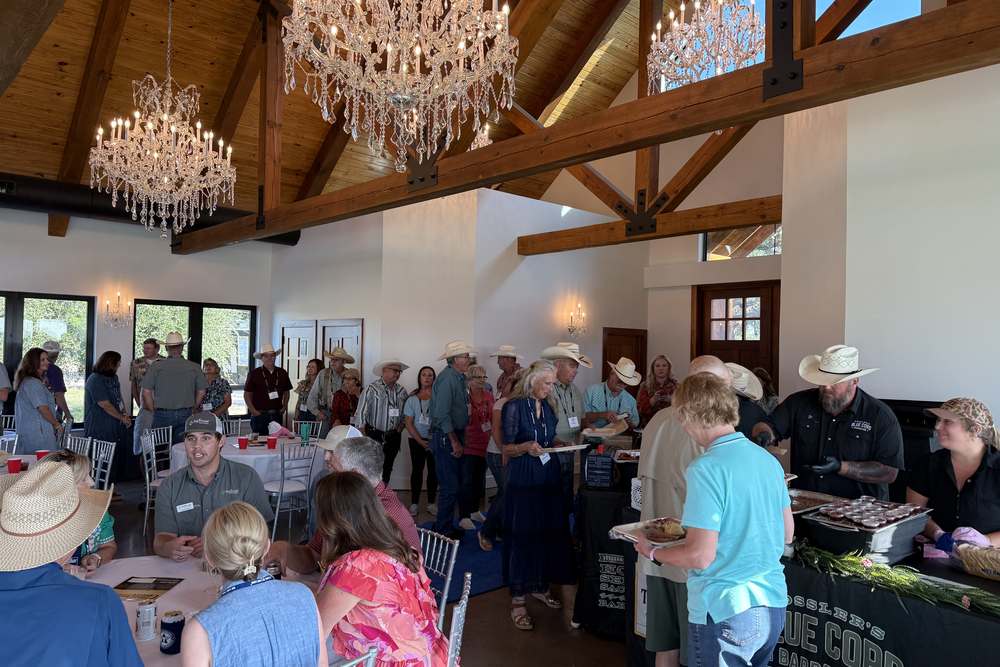
Meal service at a ranch venue often needs more lead time than a hotel banquet menu, particularly for larger groups or dietary accommodations. Confirm meal counts, dietary restrictions, and preferred service style, whether plated, family style, or a barbecue format, well ahead of the event date so the culinary team can plan accordingly.
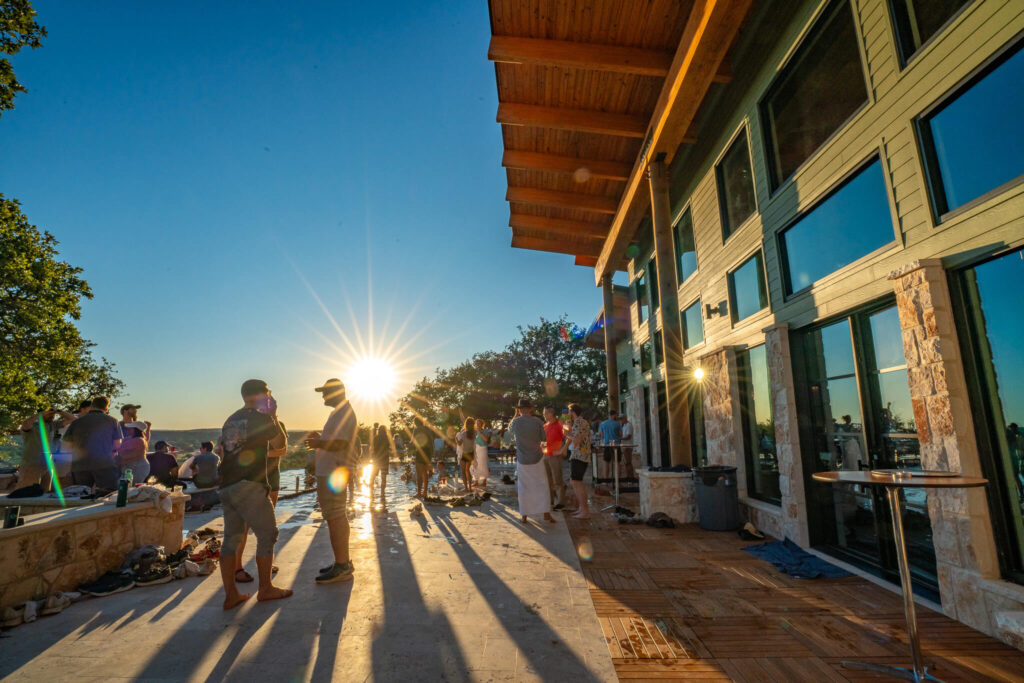
Building in a signature meal, such as an outdoor dinner during a sunset reception, also gives the agenda a natural highlight that employees tend to remember well after the retreat ends.
7. Coordinate Transportation and Logistics
Ranch venues are typically located outside of city centers, so transportation planning deserves more attention than it would for a downtown venue.
Confirm shuttle arrangements from the nearest airport or hotel cluster, and build a realistic travel buffer into the agenda so the first session does not start behind schedule.
It also helps to share a clear arrival window with attendees in advance, since staggered arrivals can complicate the first activity of a multi-day retreat.
8. Confirm Your Budget and Inclusions
Ranch venue pricing often bundles lodging, meeting space, and select activities differently than a hotel’s line-item banquet pricing.
Ask specifically what is included in a quoted rate, from meeting room setup to activity guides, so the budget comparison against other venues is accurate rather than based on assumptions.
Clarifying inclusions early also prevents last-minute surprises once the final invoice is prepared, which planners consistently rank among the more frustrating parts of event coordination when it is left unresolved.
9. Assign Clear Ownership for Day-Of Coordination
Even a well-planned ranch retreat benefits from having one internal point of contact who can make quick decisions on-site, whether that means adjusting the schedule for weather or resolving a last-minute request from a guest. Sharing that contact with the venue’s coordination team ahead of time keeps small issues from becoming disruptions to the broader agenda.
10. Build in Flexibility for Weather and Schedule Changes
Outdoor programming is central to most ranch corporate events, so it is worth planning a simple indoor alternative for at least one outdoor activity in case of weather. A venue experienced in hosting corporate groups should be able to suggest a backup option quickly, but having the conversation ahead of time prevents a last-minute scramble that can throw off an otherwise well-organized agenda.
A well-planned ranch retreat comes down to sequencing the right decisions early, and that is exactly where our team can help. Artemis Ranch & Retreat works directly with corporate planners to confirm capacity, lodging, and activity scheduling well before the event date, so nothing is left to chance.
If you are ready to start planning, submit a corporate inquiry and our team will walk you through availability and options for your group.
FAQs
How far in advance should we start planning a ranch corporate event?
We recommend starting at least three to six months ahead for larger groups or multi-day retreats, since peak season dates and full lodge buyouts book early.
Can Artemis Ranch & Retreat accommodate both meetings and outdoor activities in one day?
Yes. Most corporate agendas at the ranch alternate between indoor meeting blocks and outdoor programming, such as wildlife tours or hiking, within the same day.
What is included in a typical corporate event quote?
Inclusions vary by package, but generally cover meeting space, lodging where applicable, and selected activities. Our team provides a detailed breakdown during the planning process.
Do you offer transportation from nearby airports or hotels?
We help coordinate transportation logistics for groups arriving from the Austin area and can advise on shuttle arrangements as part of the planning process.
Is the ranch a good fit for smaller leadership offsites, not just large retreats?
Yes. Smaller executive groups regularly use the property for focused strategic sessions paired with activities like UTV tours or guided hikes.
Can we customize the itinerary for our corporate group?
Yes. Your itinerary can be tailored around your meeting goals, group size, preferred activities, meal schedule, lodging needs, and the amount of structured versus recreational time.